
American Tech Labs vs. Traditional Freelancers: The Pros and Cons.

Key Takeaways:Choosing between American Tech Labs and traditional freelancers is crucial for your tech startup. Each option has distinct advantages and limitations that can impact your growth trajectory and project outcomes. American Tech Labs vs. Traditional Freelancers: The Pros and Cons Introduction: Navigating the Digital Marketing Landscape Are you uncertain about whether to collaborate with American Tech Labs or hire a traditional freelancer for your tech startup’s digital marketing needs? This dilemma is common among startups. While freelancers offer flexibility, American Tech Labs provides comprehensive solutions that can drive long-term success. Let’s dive into the advantages and disadvantages of both options. 1. The Case for Choosing American Tech Labs American Tech Labs offers several advantages for tech startups: Expertise: Specialized in technological innovation and market trends. Comprehensive Services: A wide range of services, from SEO to web development, tailored to your needs. Explore our web development capabilities. Scalability: Easily adjust services as your startup grows. 2. Advantages of Working with Traditional Freelancers Freelancers can also provide unique benefits: Cost-Effective: Generally lower rates than agencies. Personalized Attention: Direct access to the freelancer means tailored communication. Agility: Quick turnaround times for projects. 3. Limitations of American Tech Labs While there are many advantages, there are also some considerations: Higher Costs: Services may come at a premium compared to freelancers. Complexity: Larger teams can sometimes lead to communication challenges. Longer Onboarding: Initial setup and strategy development can take more time. 4. Drawbacks of Hiring Freelancers Freelancers, while beneficial, come with their own set of challenges: Inconsistent Quality: Varied skill levels can lead to inconsistent results. Limited Resources: May lack access to advanced tools and technologies that a full agency would have. Availability Issues: Freelancers might juggle multiple projects, causing delays. 5. Key Considerations When Deciding When choosing between American Tech Labs and traditional freelancers, assess the following: Project Scope: Define whether your project requires the extensive resources of an agency. Budget Constraints: Evaluate your financial capacity to invest in agency services versus freelancers. Long-Term Goals: Think about future growth and the consistency needed in your marketing efforts. 5. Making the Right Choice: American Tech Labs vs. Freelancers To make the best decision for your tech startup: List Your Needs: What services are essential for your growth strategy? Evaluate Experience: Examine past work and results from both American Tech Labs and freelancers. Assess Commitment: Choose based on who you believe will be more dedicated to your startup’s vision. People Also Ask What are the benefits of hiring American Tech Labs? American Tech Labs offers a dedicated team, comprehensive services, and industry expertise tailored for startups seeking significant growth. How do freelancers compare to agencies? Freelancers often provide cost-effectiveness and personalized service, while agencies like American Tech Labs deliver a broad range of services with specialized expertise. What factors should I consider when choosing a marketing partner? Consider your project requirements, budget, and the partner’s experience to ensure alignment with your goals. Can I work with both freelancers and an agency? Yes, many startups find success by utilizing both, leveraging freelancers for specific tasks and an agency for overarching strategies. How can I ensure effective communication with my marketing partner? Establish clear objectives and regular check-ins to maintain transparency and direction. Conclusion: Making Informed Choices for Your Startup Deciding between American Tech Labs and traditional freelancers can set the course for your tech startup’s marketing success. Each option brings its own set of strengths and weaknesses. To achieve your business objectives, understanding these is crucial. Are you ready to discover a strategic approach that aligns with your startup’s mission? Contact American Tech Labs today for a consultation tailored just for you!
Top 10 Digital Marketing Agencies for Tech Startups.
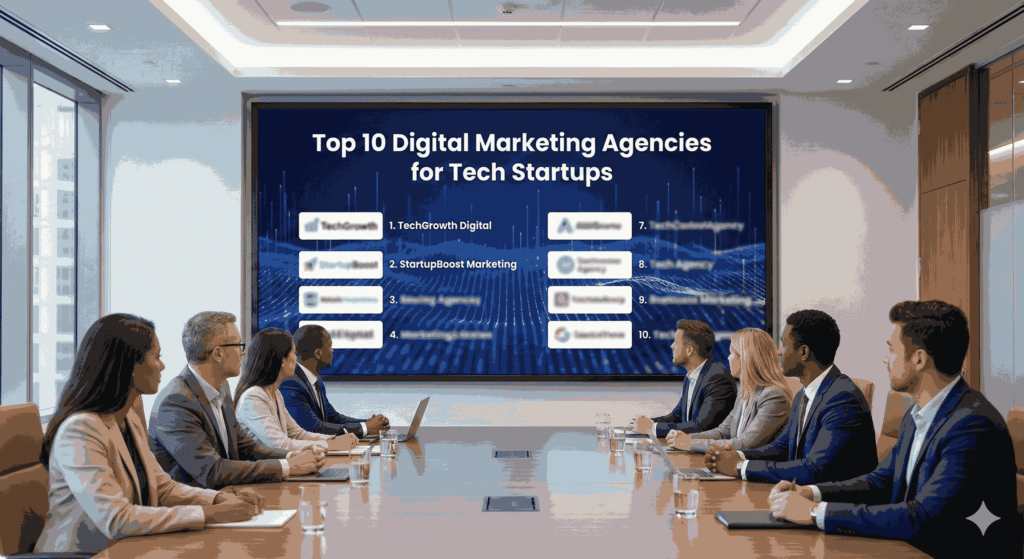
Key Takeaways:Discovering the right digital marketing agency can propel your tech startup to new heights. The top agencies offer specialized services that align with your unique challenges, driving growth and visibility in a competitive landscape. Top 10 Digital Marketing Agencies for Tech Startups Introduction: Overcoming Growth Challenges for Tech Startups Is your tech startup facing hurdles in reaching your target audience? You’re not alone. Many startups struggle to effectively market their innovative products. Fortunately, hiring a top-tier digital marketing agency can be the solution you need to elevate your brand and increase sales. 1. Why Digital Marketing Matters for Tech Startups Digital marketing is essential for tech startups due to various reasons: Brand Visibility: Establish a strong online presence that attracts potential customers. Targeted Strategies: Utilize data-driven techniques to reach your ideal audience. Cost Efficiency: Maximize limited budgets with high-impact marketing efforts. 2. Top 10 Digital Marketing Agencies for Tech Startups Agency One: Known for cutting-edge SEO strategies that boost search rankings. Explore their SEO services. Agency Two: Specializes in social media campaigns designed to enhance engagement and brand loyalty. Agency Three: A leader in PPC advertising, delivering measurable results through targeted ad placements. Agency Four: Offers content marketing services that create compelling narratives to resonate with tech audiences. Agency Five: Expert in email marketing, providing customized solutions for re-engaging customers. Agency Six: Focuses on analytics and conversion optimization for improved ROI. Agency Seven: Helps startups develop impactful branding strategies that differentiate them in the market. Agency Eight: Experienced in influencer marketing to leverage established audiences. Agency Nine: Known for creative video marketing that captivates and converts viewers. Agency Ten: Provides web development services that enhance user experience and functionality. Check out their web development projects. 3. Choosing the Right Agency for Your Startup When selecting a digital marketing agency, consider these factors: Expertise: Look for agencies with experience in the tech sector. Client Testimonials: Seek feedback from previous clients to gauge effectiveness. Budget Alignment: Ensure their pricing aligns with your financial resources. 4. Key Services Offered by Top Agencies Leading agencies provide a comprehensive range of services: Search Engine Optimization (SEO): Improve visibility in search results to attract organic traffic. Pay-Per-Click (PPC) Advertising: Drive immediate traffic with paid ads that target potential customers. Content Marketing: Develop valuable content to educate and engage your audience. 5. Evaluating Agency Performance Measure the impact of your selected agency through these key performance indicators: Website Traffic: Monitor increases in visitors to your site. Lead Generation: Track the number of qualified leads produced. Conversion Rates: Analyze how effectively traffic is converted into sales. People Also Ask What should I look for in a digital marketing agency? Focus on their experience in your industry, offered services, and proven success with previous clients. How can digital marketing benefit my tech startup? Digital marketing can enhance your visibility, attract a targeted audience, and ultimately increase sales for your startup. Are there agencies specializing in startups? Yes, many agencies focus specifically on helping startups grow through tailored marketing strategies. How do I know if my marketing agency is effective? Evaluate them based on metrics such as website traffic, lead generation, and conversion rates. Can I change agencies if I’m not satisfied? Absolutely! If your current agency isn’t meeting your goals, it’s advisable to seek a provider that aligns better with your needs. Conclusion: Elevate Your Startup with the Right Agency Finding the right digital marketing agency can significantly impact your tech startup’s success. By leveraging their expertise, you can overcome marketing challenges and focus on what you do best—innovation. Ready to jumpstart your marketing efforts? Contact American Tech Labs today to schedule a consultation and discover strategies tailored to your business needs.
How to Use Email Automation to Recover Lost Sales.

Key Takeaways:Email automation is a powerful tool that can help recover lost sales by re-engaging customers at critical moments. By implementing targeted email campaigns, you can boost conversions, improve customer retention, and enhance overall revenue. How to Use Email Automation to Recover Lost Sales Introduction: Addressing the Challenge of Lost Sales Are you frustrated by abandoned carts and lost sales opportunities? Many businesses struggle to recover potential revenue after a customer leaves their site without purchasing. The solution lies in email automation, which can effectively re-engage customers, drive conversions, and significantly enhance your bottom line. 1. The Importance of Email Automation in Sales Recovery Email automation is a strategy that allows brands to send timely, personalized communications to customers. Here’s why it matters: Timely Engagement: Reach out to customers promptly after they show interest. Personalization: Customize messages based on customer behavior and preferences. Cost-Effective: Automate responses to save time and resources. 2. Setting Up an Effective Email Automation Strategy To optimize your email recovery strategy, consider these essential steps: Segment Your Audience: Divide your email list into specific groups based on behavior, purchase history, and engagement. Create Targeted Campaigns: Develop emails for abandoned carts, post-purchase follow-ups, and lapsed customers. Use Compelling Subject Lines: Capture attention with concise, enticing subject lines that encourage opens. 3. Types of Email Automation Campaigns There are several types of email campaigns to consider for recovering lost sales: Abandoned Cart Emails: Reach out to customers who leave items in their cart without completing the purchase. Follow-Up Emails: Send reminders to customers after they’ve made a purchase to encourage repeat business. Exclusive Promotions: Offer discounts or incentives to re-engage lapsed customers. 4. Crafting Effective Email Content Your email content should resonate with customers. Here are key elements to include: Clear Call to Action: Make it easy for customers to know what action to take next. Visual Appeal: Use engaging images and clean design to attract attention. Value Proposition: Highlight what makes the product or service irresistible. 5. Monitoring and Optimizing Your Campaigns To maximize the success of your email campaigns, regularly track these metrics: Open Rates: Measure how many recipients open your emails to gauge engagement. Click-Through Rates: Assess how many users clicked your call to action. Conversion Rates: Analyze how many users made a purchase after engaging with your email. People Also Ask What is email automation? Email automation involves using software to send pre-scheduled emails to customers based on their behaviors and preferences. How can email automation recover lost sales? By sending targeted emails to re-engage customers, you can remind them of products they showed interest in, thus encouraging them to complete their purchase. What types of emails should I automate? Focus on automating abandoned cart emails, follow-ups after purchases, and promotional campaigns for previous customers. How often should I send automated emails? Balance frequency to avoid overwhelming subscribers; start with one or two emails per week and adjust based on engagement metrics. Can I personalize automated emails? Absolutely! Use customer data to personalize greetings, product recommendations, and offers based on their shopping history. Conclusion: Take Action to Boost Your Sales Utilizing email automation can greatly enhance your ability to recover lost sales. Engage with your audience through targeted, personalized communication to not only regain their interest but also to foster loyalty. Ready to elevate your email strategy? Contact American Tech Labs today to schedule a consultation and explore tailored solutions that cater to your business needs.
The Beginner’s Guide to Multi-Channel Selling (Amazon, Walmart, Shopify).
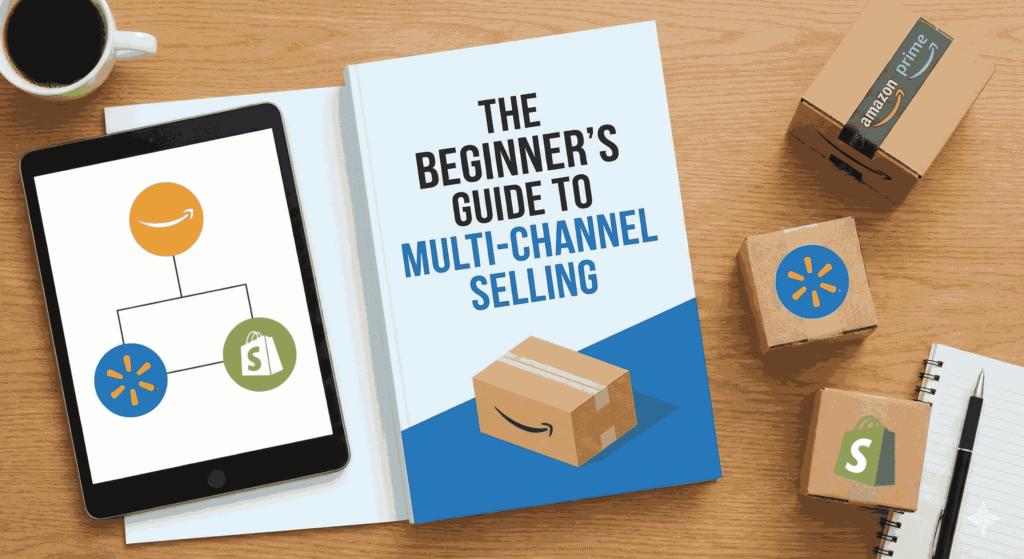
Key Takeaways:Multi-channel selling is vital for maximizing your reach and driving sales. By integrating platforms like Amazon, Walmart, and Shopify, you can enhance customer engagement and streamline your operations for better profitability. The Beginner’s Guide to Multi-Channel Selling: Unlocking Opportunities on Amazon, Walmart, and Shopify Introduction: Navigating the Multi-Channel Landscape Are you missing out on potential revenue by limiting your e-commerce presence to a single platform? Many businesses struggle with expanding their reach across multiple channels. The solution is multi-channel selling, which bridges your products across platforms like Amazon, Walmart, and Shopify, boosting visibility and sales. 1. Understanding Multi-Channel Selling Multi-channel selling allows brands to connect with customers across various platforms. Here’s what you need to know: Broader Audience Reach: Tap into diverse customer bases across different marketplaces. Increased Brand Visibility: Leverage the strengths of each platform to enhance brand awareness. Seamless Integration: Use tools that unify your inventory and operations for efficiency. 2. Benefits of Selling on Amazon Amazon is one of the largest e-commerce platforms. Here’s why you should consider it: Trusted Platform: Leverage Amazon’s credibility to build trust with customers. Fulfillment by Amazon (FBA): Utilize FBA for handling storage, shipping, and customer service. Prime Memberships: Reach millions of Prime members eager for quick and reliable delivery. 3. The Walmart Advantage Walmart provides unique opportunities for sellers. Consider these factors: Competitive Pricing: Walmart’s everyday low price strategy attracts cost-conscious consumers. Geographic Reach: Access a vast customer base across the U.S. and growing international markets. Enhanced Visibility: Benefit from Walmart’s participation in multi-channel fulfillment and product promotions. 4. Harnessing Shopify for Your Brand Shopify empowers businesses with custom online stores. Here’s how it stands out: Custom Branding: Create a unique online presence that resonates with your target audience. Integration Capabilities: Easily link Shopify with Amazon and Walmart for centralized management. User-Friendly Interface: Shopify’s intuitive design simplifies your selling process. 5. Strategies for Effective Multi-Channel Selling To optimize your multi-channel strategy, keep these strategies in mind: Consistent Branding: Maintain a cohesive brand image across all platforms. Inventory Management: Utilize inventory management tools to prevent overselling or stockouts. Analyze Performance: Regularly assess sales data across channels to refine your strategies. Key Metrics to Monitor For a successful multi-channel approach, track these essential metrics: Sales Growth: Measure sales increases across each platform to identify trends. Customer Acquisition Cost (CAC): Analyze the cost effectiveness of your marketing strategies. People Also Ask What is multi-channel selling? Multi-channel selling involves using various platforms to reach customers and sell products, enhancing visibility and sales. Why sell on Amazon, Walmart, and Shopify? These platforms offer vast customer bases, brand credibility, and unique selling tools that can amplify your sales strategy. How do I manage inventory across multiple channels? Leverage inventory management solutions that integrate with your platforms to keep stock levels accurate and prevent overselling. What should I consider when starting multi-channel selling? Evaluate your target audience, decide on the platforms that best meet their needs, and ensure a consistent brand experience. Can I integrate my Shopify store with other marketplaces? Yes, Shopify offers several apps and solutions for integration with Amazon, Walmart, and others, making sales management seamless. Conclusion: Elevate Your Selling Strategy Implementing a multi-channel selling strategy can significantly enhance your e-commerce performance. By leveraging platforms like Amazon, Walmart, and Shopify, you can broaden your reach and improve customer engagement. Ready to take your selling strategy to the next level? Contact American Tech Labs today to book a consultation and discover customized solutions tailored to your business needs.
5 Reasons Why Your E-commerce Site Isn’t Converting.
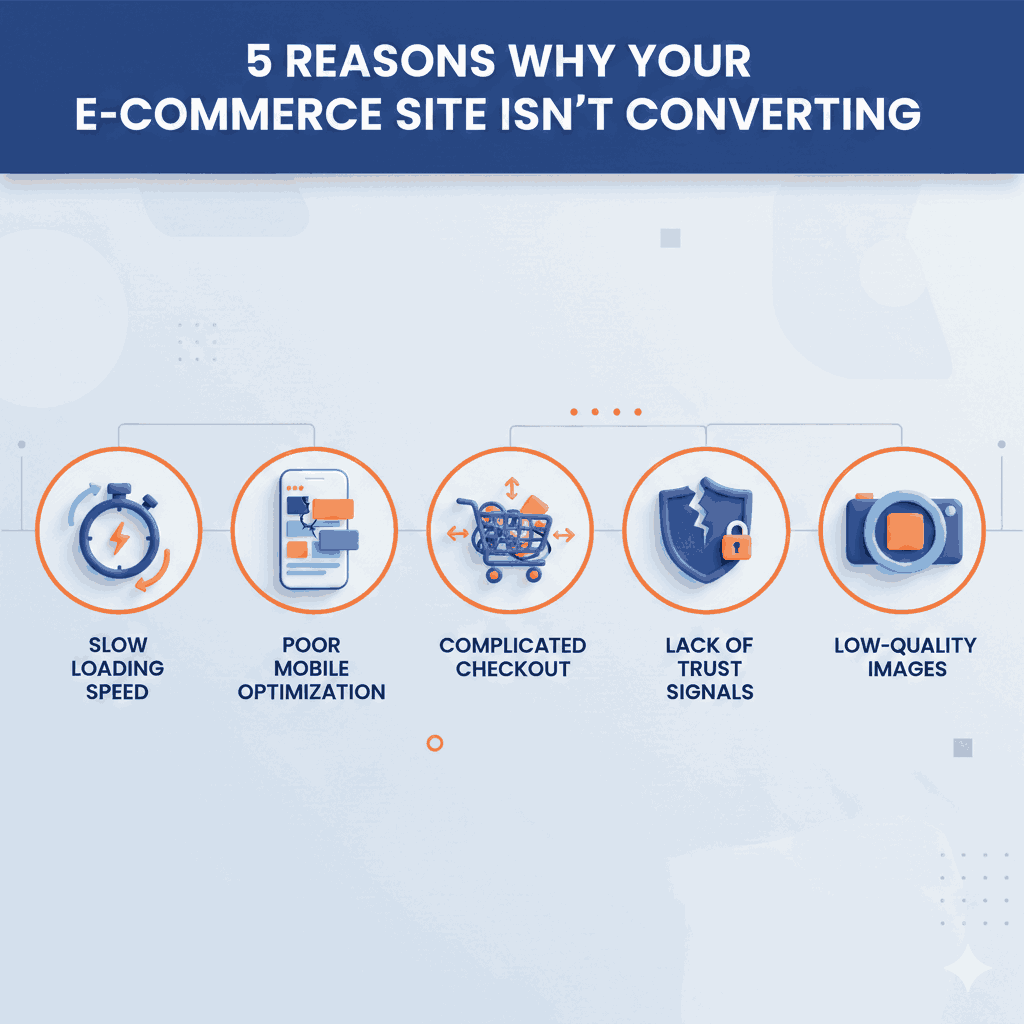
Key Takeaways:Understanding why your e-commerce site isn’t converting is crucial for increasing sales. By addressing user experience, optimizing for mobile, and refining your marketing strategies, you can significantly enhance your conversion rates and drive more revenue. 5 Reasons Why Your E-commerce Site Isn’t Converting Introduction: The Conversion Conundrum If your e-commerce site is attracting visitors but struggling to convert them into paying customers, you’re not alone. Many businesses face this hurdle. The solution lies in identifying the key factors that could be undermining your success. This article reveals five critical reasons for low conversion rates and actionable strategies to rectify them. 1. Poor User Experience (UX) A seamless user experience is fundamental for conversion. Here’s how to improve it: Cluttered Layout: Simplify your design to allow easy navigation. Slow Load Times: Optimize your pages to load quickly; aim for under 3 seconds. Confusing Checkout Process: Streamline the checkout steps to minimize cart abandonment. 2. Inadequate Mobile Optimization With a growing number of consumers shopping from mobile devices, it’s essential to ensure your site is mobile-friendly: Responsive Design: Ensure your site adjusts seamlessly to different screen sizes. Tap-Friendly Buttons: Make sure all buttons and links are easy to click on mobile devices. Accessible Information: Important details should be easy to find on smaller screens. 3. Weak Product Descriptions Compelling product descriptions can make a significant difference in sales. Consider the following tips: Focus on Benefits: Don’t just list features—explain how the product solves a problem for the customer. Use High-Quality Images: Include multiple images from different angles to enhance user trust. Incorporate Customer Reviews: Add testimonials to provide social proof and encourage purchases. 4. Ineffective Marketing Strategies Driving traffic to your site is important, but converting that traffic is even more crucial: Retargeting Campaigns: Implement retargeting ads to re-engage visitors who left without purchasing. Email Marketing: Build personalized email campaigns offering discounts or product recommendations. Utilize SEO: Optimize your content for search engines to draw in organic traffic through targeted keywords. 5. Lack of Trust and Credibility Building trust with potential customers is essential: Display Certifications: If applicable, showcase any relevant certifications or safety seals prominently on your site. Contact Information: Clearly display your contact details to enhance credibility. Transparent Policies: Clarify shipping, returns, and privacy policies to assure customers. Key Metrics to Monitor To evaluate your improvements, keep track of these essential metrics: Conversion Rate: Monitor how many visitors make a purchase to gauge effectiveness. Cart Abandonment Rate: Analyze the percentage of visitors who leave without completing their purchase. People Also Ask What are some common reasons for low conversion rates? Common reasons include poor user experience, inadequate mobile optimization, weak product descriptions, and lack of compelling marketing strategies. How can I improve my e-commerce site’s conversion rate? Enhance user experience, optimize for mobile, refine product descriptions, and use targeted marketing strategies. What role does trust play in e-commerce conversions? Trust plays a crucial role; customers are more likely to buy from sites that appear credible and secure. What metrics should I track for e-commerce success? Focus on conversion rates, cart abandonment rates, and traffic sources to better understand your site’s performance. How important is mobile optimization for e-commerce? Mobile optimization is vital as a large segment of consumers shop using mobile devices, and a poor mobile experience can lead to lost sales. Conclusion: Transform Your E-commerce Strategy <pIdentifying and addressing the reasons for low conversion rates on your e-commerce site is essential for success. By implementing the strategies outlined above, you can significantly enhance your site’s performance and profitability. Ready to boost your e-commerce success? Contact American Tech Labs today to schedule a consultation and unlock tailored solutions designed for your business needs.
How to Optimize Your Product Pages for Voice Search.

Key Takeaways:Optimizing your product pages for voice search is essential in today’s digital landscape. By focusing on natural language, structured data, and mobile responsiveness, you can enhance your visibility and connect more effectively with potential customers who use voice-activated devices. How to Optimize Your Product Pages for Voice Search Introduction: The Rise of Voice Search As voice-activated technology becomes increasingly prevalent, businesses face the challenge of adapting their online presence to meet evolving consumer behaviors. Traditional SEO strategies might not suffice as users switch to voice search for convenience. So, how can you optimize your product pages for this new medium? This article will guide you through effective strategies to ensure your product pages are voice search friendly. Understanding Voice Search and Its Importance Voice search is changing how consumers find products online. Here are key reasons why optimizing for voice search is critical: Shifts in User Behavior: More users are opting for voice search due to its speed and efficiency, leading to altered search queries. Increased Local Searches: Voice queries often carry local intent, making it vital for businesses to appear in local search results. Essential Strategies for Voice Search Optimization To effectively optimize your product pages for voice search, consider the following strategies: Utilize Natural Language: Write product descriptions and content that mimic conversational language, including common questions users may ask. Implement Structured Data: Use schema markup to help search engines understand your products better, enhancing the likelihood of appearing in voice search results. Enhance Page Speed: Optimize images and code to ensure fast loading times, crucial for mobile users relying on voice search. Focus on Mobile Optimization: Ensure your site is fully responsive and offers a seamless experience for mobile users. Incorporate FAQs: Add frequently asked questions to your product pages to align with the types of queries users are likely to voice. The Role of Local SEO in Voice Search 1. Claim Your Business Listings Ensure your business is claimed and accurately listed on Google My Business and other relevant directories. 2. Optimize for Local Keywords Focus on local keywords that include geographic locations to enhance your chances of appearing in localized voice searches. 3. Gather Customer Reviews Encourage satisfied customers to leave positive reviews, boosting your credibility in local search results. 4. Use Location-Based Content Create content that highlights local events, promotions, or news related to your business to attract nearby customers. 5. Maintain Consistency in NAP Your Name, Address, and Phone number (NAP) should be consistent across all platforms to bolster local SEO efforts. Monitoring and Measuring Success To determine the effectiveness of your voice search optimization efforts, track the following metrics: Voice Search Traffic: Analyze traffic coming from voice search queries to understand user engagement. Keyword Performance: Monitor how keywords related to voice search are ranking and driving traffic to your product pages. Leveraging AI for Enhanced Voice Search Optimization Utilizing AI can provide additional support in optimizing for voice search: Content Personalization: Use AI to personalize user experiences based on voice search data, improving engagement. Predictive Analytics: Leverage AI tools to analyze voice search trends and tailor your strategy accordingly. Voice Search Tools: Explore AI-driven tools that can help analyze your site’s readiness for voice search. Summary of Voice Search Optimization Techniques Here’s a recap of key strategies for optimizing product pages: Use natural, conversational language in product descriptions. Implement structured data to aid search engines. Prioritize mobile optimization and page speed. People Also Ask What is voice search optimization? Voice search optimization involves tweaking your website content and structure so that it can effectively respond to voice-activated searches. Why is voice search important for businesses? Voice search allows businesses to reach customers more efficiently, especially as more users rely on voice technology to make purchasing decisions. How do I know if my site is optimized for voice search? Evaluate your site’s use of natural language, structured data, mobile responsiveness, and page loading speed. Can local businesses benefit from voice search? Yes, local businesses can gain visibility through voice search by optimizing for local keywords and ensuring accurate business listings. What types of questions do users ask in voice search? Users commonly ask questions starting with “who,” “what,” “where,” and “how,” focusing on information and recommendations. Conclusion: Embrace Voice Search Optimization for Success Optimizing your product pages for voice search is essential in today’s digital landscape. By implementing the strategies outlined in this article, you can enhance visibility and better connect with your audience. Ready to elevate your online presence? Contact American Tech Labs now to schedule a consultation and discover innovative solutions tailored to your business goals.
Influencer Marketing for B2B: Does it Actually Work?

Key Takeaways:Influencer marketing is a transformative strategy for B2B companies, enabling them to connect with key audiences effectively. By partnering with industry leaders, businesses can enhance credibility, reach niche markets, and drive authentic engagement that traditional marketing methods often miss. Influencer Marketing for B2B: Does It Actually Work? Introduction: Navigating the Challenges of B2B Marketing In the competitive landscape of B2B marketing, companies frequently struggle to capture their audience’s attention in an age when information overload is the norm. Traditional marketing strategies often fall flat in establishing trust and credibility. What if leveraging influencer marketing could be the game-changing solution you need? This article delves into the effectiveness of influencer marketing for B2B and provides actionable steps to integrate it into your strategy. The Role of Influencer Marketing in B2B Influencer marketing for B2B is not just about endorsements; it’s a means of building relationships and facilitating authentic communication. Here’s why it’s becoming essential: Enhanced Trust: Influencers have established relationships with their followers, which translates to a higher level of trust and credibility. Targeted Reach: Collaborating with niche influencers enables businesses to connect with specific industry segments effectively. Key Components of a Successful B2B Influencer Strategy When crafting your B2B influencer strategy, consider the following critical elements: Target Audience Identification: Understand who your potential clients are and what influencers resonate with them. Authenticity: Choose influencers who align with your brand values and mission to maintain an authentic connection. Content Collaboration: Work with influencers to create content that genuinely showcases your products and services. Long-Term Partnerships: Focus on building ongoing relationships with influencers for sustained engagement rather than one-off promotions. Performance Tracking: Measure the effectiveness of your campaigns through analytics and adjust strategies accordingly. Building Your Influencer Network 1. Research Your Influencers Identify thought leaders and industry experts who share your brand ethos and can provide value to your target audience. 2. Create Partnership Opportunities Develop unique collaboration ideas, such as webinars, podcasts, or joint content pieces that leverage the influencer’s expertise. 3. Leverage Existing Clients as Influencers Encourage satisfied customers to share testimonials and success stories, increasing authenticity and relatability to your audience. 4. Engage on Social Platforms Regularly interact with your influencers on social media channels to build rapport and encourage organic partnerships. 5. Optimize Your Outreach Craft personalized outreach messages that clearly outline the mutual benefits of collaborating. Measuring the Success of Your Influencer Campaigns It’s crucial to track the performance of your influencer marketing efforts: Engagement Metrics: Monitor likes, comments, and shares to assess audience engagement. Conversion Rates: Track leads generated or sales made as a direct result of influencer partnerships. Driving Brand Awareness Through Influencer Marketing Through strategic influencer marketing, businesses can effectively enhance their brand visibility: Content Distribution: Influencers can amplify your content, increasing its reach and visibility across platforms. Community Engagement: Use influencers as a bridge to involve your audience in conversations around your brand. Thought Leadership: Collaborate with industry experts to position your brand as a leader in your niche. Summary of Effective B2B Influencer Marketing Strategies Here’s a recap of actionable insights: Define your target audience and align with the right influencers. Focus on authenticity and long-term relationships. Continuously measure campaign success and adapt strategies as needed. People Also Ask What is B2B influencer marketing? B2B influencer marketing involves partnering with industry leaders or experts to promote products or services to a targeted business audience. How effective is influencer marketing for B2B? Influencer marketing can significantly enhance trust and engagement, leading to increased brand visibility and sales in B2B sectors. What should I look for in a B2B influencer? Seek influencers with a strong reputation, relevant audience, and the ability to create content that resonates with your brand’s message. How can I measure influencer marketing success? Utilize metrics such as engagement rates, lead generation, and overall return on investment (ROI) to gauge success. Is influencer marketing only for B2C businesses? No, B2B companies can also greatly benefit from influencer marketing by leveraging credibility and establishing trust within their industry. Conclusion: Unlock the Potential of Influencer Marketing Influencer marketing is a powerful strategy for B2B businesses hoping to forge authentic connections, enhance credibility, and drive engagement. By strategically collaborating with trusted voices in your industry, you can elevate your marketing efforts and achieve impressive results. Are you ready to integrate influencer marketing into your strategy? Contact American Tech Labs today to schedule a consultation and explore innovative marketing solutions tailored to your business needs.
The Power of Storytelling in Branding: Why People Buy “Why.”

Key Takeaways:Unlocking the potential of storytelling in branding is essential for engaging customers and driving sales. By effectively communicating your brand’s “why,” you can create emotional connections that influence purchasing decisions and foster brand loyalty. The Power of Storytelling in Branding: Why People Buy “Why” Introduction: The Challenge of Modern Branding In today’s fast-paced market, brands face the challenge of standing out amidst overwhelming competition. Consumers no longer just buy products; they gravitate towards brands with compelling stories and a clear purpose. What if integrating storytelling into your branding strategy could transform your connection with customers? This post will discuss proven techniques to effectively implement storytelling in your branding and drive consumer purchases. Understanding the Impact of Storytelling in Branding Storytelling is a powerful tool that shapes consumer perceptions and enhances brand loyalty. Here’s why this approach is crucial: Emotional Connection: Stories resonate on an emotional level, making consumers more likely to relate and engage with your brand. Brand Identity: A strong narrative helps define a brand’s identity, distinguishing it from competitors. Key Elements of Effective Brand Storytelling Here are critical components to consider when crafting your brand’s narrative: Identifying Your Core Message: Clarify what your brand stands for and convey that message consistently. Authenticity: Be genuine in your storytelling; consumers can sense insincerity. Visual Elements: Use imagery and design that complement your story and enhance its impact. Engaging Characters: Introduce relatable characters or brand personas that your audience can connect with. Conflict and Resolution: Every good story has conflict. Showcase challenges your brand has overcome to inspire trust and empathy. Creating a Compelling Brand Narrative 1. Know Your Audience Investigate your target audience’s interests and pain points to create a narrative that resonates with them. 2. Craft Your Brand Origin Story Share how your brand started, highlighting the journey, struggles, and milestones that shaped its identity. 3. Use Customer Stories Incorporate testimonials and case studies from satisfied customers to provide authenticity and credibility to your story. 4. Consistency is Key Ensure that your brand story aligns across all platforms, from your website to social media channels. 5. Engage Through Multiple Mediums Utilize various formats—blogs, videos, podcasts—to tell your story in innovative ways and reach a broader audience. Measuring Engagement and Impact Track your storytelling efforts to understand their effectiveness: Analytics Tools: Use tools to monitor engagement metrics and audience feedback on your stories. Surveys and Feedback: Conduct regular surveys to gather insights on customer perceptions of your brand narrative. Enhancing Brand Loyalty Through Storytelling Consistent storytelling fosters customer loyalty: Community Building: Create a community around your brand’s story to engage customers continuously. Social Responsibility: Share stories of how your brand gives back to the community, aligning with customers’ values. Educational Content: Offer informative content that reflects your brand values and positions your brand as an industry authority. Key Takeaways for Effective Brand Storytelling Here’s a recap of effective strategies: Identify your brand’s core message and ensure authenticity. Engage emotionally with your audience through relatable narratives. Measure the impact of storytelling on customer engagement and loyalty. People Also Ask What is brand storytelling? Brand storytelling is the art of using narrative to convey the essence of a brand and connect with customers on an emotional level. Why is storytelling important in branding? Storytelling fosters emotional connections, enhances brand identity, and influences consumer purchasing decisions. How can I create a compelling brand story? Identify your core message, know your audience, and ensure authenticity in your narrative. What role does customer feedback play in brand storytelling? Customer feedback provides valuable insights to refine your brand narrative and establish authenticity and trust. Can storytelling improve brand loyalty? Yes, compelling storytelling can engage customers and foster long-term brand loyalty by aligning with consumer values and experiences. Conclusion: Transform Your Brand Through Storytelling In a competitive marketplace, leveraging the power of storytelling can significantly enhance your brand’s presence and consumer connection. By focusing on the “why” behind your brand, you’re not just selling products; you’re creating relationships. Ready to elevate your branding strategy? Book a consultation with American Tech Labs today and discover innovative ways to share your brand’s story effectively.
How to Reduce Cart Abandonment Rates with Better UI Design.

Key Takeaways:Reducing cart abandonment rates through effective UI design is vital for the success of any e-commerce business. By improving your website’s user interface, streamlining navigation, and enhancing the overall shopping experience, you can significantly boost conversion rates and customer satisfaction. How to Reduce Cart Abandonment Rates with Better UI Design Introduction: Addressing the Cart Abandonment Challenge Every e-commerce business faces the challenge of cart abandonment. Studies indicate that nearly 70% of online shoppers abandon their carts, leading to significant losses. But what if a better user interface (UI) could reduce this statistic dramatically? This guide will explore actionable strategies to enhance UI design that not only minimizes cart abandonment but also enriches the shopping experience for your customers. Understanding Cart Abandonment Cart abandonment occurs when potential buyers add items to their carts but leave the site without completing their purchase. Here’s why it’s crucial to address: Financial Impact: Each abandoned cart represents lost revenue and can affect your bottom line. User Experience: Understanding the reasons behind abandonment helps improve the shopping experience. Elements of Effective UI Design to Combat Cart Abandonment Here are essential UI design elements that can help you reduce cart abandonment: Simplified Navigation: Ensure that your site is easy to navigate. Minimize the number of clicks needed to complete a purchase. Clear Call-to-Action (CTA): Make your “Add to Cart” and “Checkout” buttons prominent and easy to find. Progress Indicators: Use progress bars during the checkout process to inform customers of how many steps remain. Mobile Optimization: Ensure your site is mobile-friendly, as many shoppers use their smartphones to browse and shop. Trust Signals: Display security badges, reviews, and testimonials to reassure customers about the safety of their information. Streamlining the Checkout Process 1. Minimize Form Fields Only ask for essential information to make the checkout process quicker. Implement autofill features to expedite form completion. 2. Offer Guest Checkout Allow customers to complete their purchase without creating an account, reducing friction and abandonment. 3. Provide Multiple Payment Options Include varied payment options such as credit cards, PayPal, and digital wallets to cater to customer preferences. 4. Address Unexpected Costs Early Show shipping fees or any additional costs upfront to prevent customers from abandoning their carts at checkout. 5. Optimize Page Load Times Improve site speed, as slow-loading pages can lead to frustration and higher abandonment rates. Enhancing User Engagement Engage customers throughout their shopping journey: Live Chat Support: Offer real-time assistance to address questions and concerns. Product Recommendations: Use algorithms to suggest related products based on customer behavior. Email Reminders: Send follow-up emails to remind customers of their abandoned carts. Leveraging Data and Analytics for Continuous Improvement Use analytics to gauge user behavior and refine your strategies: Heatmaps: Utilize heatmaps to understand where users click most frequently on your website. A/B Testing: Experiment with different layouts and color schemes to identify what works best for your audience. Key Takeaways for Reducing Cart Abandonment Here’s a summary of crucial strategies: Streamline navigation to enhance user experience. Minimize barriers during the checkout process. Utilize data analytics to drive continuous improvement. People Also Ask What is cart abandonment? Cart abandonment occurs when a customer adds items to their online shopping cart but does not complete the purchase. What are common reasons for cart abandonment? Common reasons include unexpected costs, complicated checkout processes, and lack of trust in the website. How can I reduce cart abandonment on my e-commerce site? Improve UI design, simplify the checkout process, and provide transparent pricing to encourage customers to complete their purchases. Is mobile optimization essential for reducing cart abandonment? Yes, many customers shop on mobile devices, so a mobile-optimized site is critical for a smooth shopping experience. What role does customer trust play in cart abandonment? Building customer trust through secure payment options and clear policies can significantly reduce abandonment rates. Conclusion: Elevate Your E-commerce Experience In the competitive world of e-commerce, enhancing your UI design can lead to a meaningful reduction in cart abandonment rates. By implementing these strategies, you can create a seamless shopping experience that not only encourages purchases but fosters loyalty. If you’re ready to take your e-commerce business to the next level, book a consultation with American Tech Labs today and discover how we can help you enhance your site’s performance and user experience.
The Ultimate E-commerce Marketing Calendar for 2026.

Key Takeaways:Having a well-structured marketing calendar is essential for e-commerce success in 2026. By planning strategically around key dates, seasonal trends, and consumer behavior, businesses can maximize engagement, drive sales, and stay competitive in the rapidly evolving digital marketplace. The Ultimate E-commerce Marketing Calendar for 2026 Introduction: Elevate Your E-commerce Strategy In an increasingly crowded e-commerce landscape, staying ahead of the competition requires careful planning. Many businesses struggle with timing their marketing efforts effectively, resulting in missed opportunities. This comprehensive e-commerce marketing calendar for 2026 offers actionable strategies that can help you maximize results and engage your customers throughout the year. Why a Marketing Calendar is Essential A well-crafted marketing calendar provides clarity and direction, ensuring: Consistency: Regular engagement with your audience builds trust and brand recognition. Efficiency: Plan ahead to allocate resources and budget effectively, reducing last-minute scrambles. Key Dates to Include in Your 2026 Marketing Calendar It’s critical to align your marketing strategies with key dates. Here are vital dates for your 2026 planning: New Year’s Day: Kick off the year with promotions to attract new customers. Valentine’s Day: Create targeted campaigns for gifts and experiences. Spring Sales: Highlight seasonal products as the weather warms up. Back to School: Prepare campaigns targeting families and students. Black Friday and Cyber Monday: The busiest shopping days require strategic planning for offers. Holiday Season: Engage customers with festive content and promotions. Strategies for Each Major Holiday 1. New Year’s Day Launch New Year promotions that tie into resolutions, focusing on product categories that support self-improvement. 2. Valentine’s Day Implement email marketing campaigns featuring gift guides and exclusive offers that appeal to customers looking to celebrate love. 3. Spring Sales Utilize seasonal themes in your messaging and visuals to create a refreshing experience for customers. 4. Back to School Focus on bundles and discounts for essential supplies to attract families transitioning to a new school year. 5. Black Friday and Cyber Monday Prepare large-scale promotions and consider starting early to capture attention ahead of competitors. 6. Holiday Season Create festive content that resonates emotionally, enhancing the shopping experience across all platforms. Content Marketing Ideas for 2026 Enhance your marketing efforts with engaging content: Blog Posts: Publish articles that offer tips and trends related to products. Social Media: Share user-generated content and seasonal storytelling to foster community. Email Newsletters: Segment email campaigns based on customer behavior and interests. Utilize Data and Analytics Use analytics to refine your approach: Customer Insights: Analyze purchase history and engagement metrics to tailor campaigns. A/B Testing: Experiment with different marketing messages and offers to find what resonates best. Key Takeaways for E-commerce Success in 2026 To build a thriving e-commerce business in 2026, embrace the following principles: Plan rigorously around key dates. Craft engaging, relevant content. Adapt strategies based on performance analytics. People Also Ask What is an e-commerce marketing calendar? An e-commerce marketing calendar is a tool that helps businesses schedule and strategize their marketing efforts around key dates and events. Why is timing important in e-commerce marketing? Timing is crucial as it allows businesses to align their promotions with consumer buying habits, maximizing potential sales. How can I improve my e-commerce engagement? Enhance engagement by leveraging personalized marketing, offering interactive content, and maintaining consistent communication. What content works best for e-commerce marketing? High-quality visuals, informative blog posts, and user-generated content are effective for attracting and retaining customers. How do I measure the success of my marketing campaigns? Utilize analytics tools to track key performance indicators such as conversion rates, engagement metrics, and sales data. Conclusion: Take Charge of Your E-commerce Future To thrive in the e-commerce realm in 2026, a strategic marketing calendar is your foundation for success. By meticulously planning your campaigns around key dates and meaningful content, you position yourself for significant growth and engagement. Ready to transform your e-commerce strategy? Book a consultation with American Tech Labs today and let’s discuss how we can elevate your online presence.