10 Branding Strategies to Make Your Startup Look Like a Fortune 500.
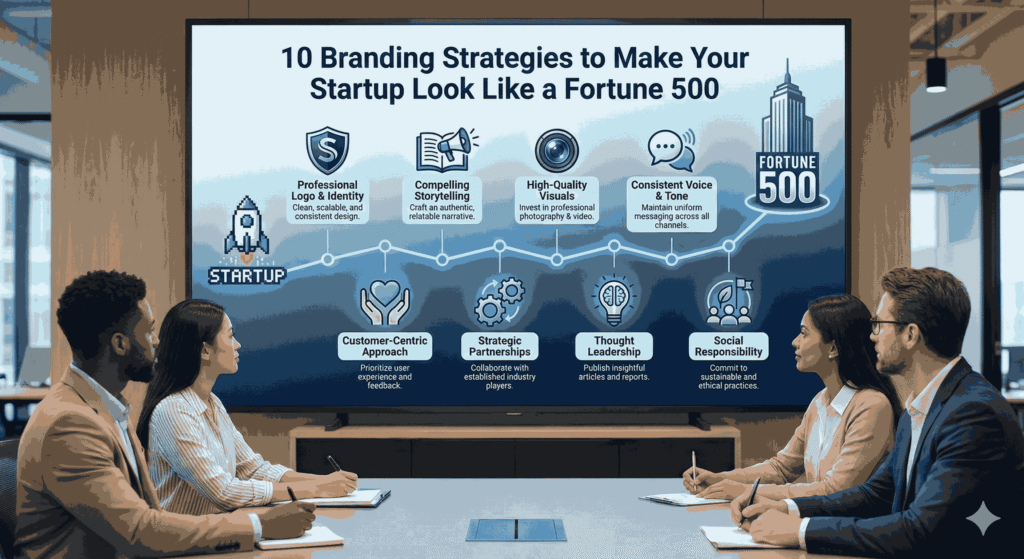
Key Takeaways:Implementing effective branding strategies is essential for startups aiming to emulate the success of Fortune 500 companies. Focus on creating a distinct brand identity, leveraging digital marketing, enhancing customer experience, and maintaining consistent messaging to build a trustworthy and competitive brand presence. 10 Branding Strategies to Make Your Startup Look Like a Fortune 500 Introduction: The Quest for a Strong Brand Identity In a crowded marketplace, how can startups compete with established giants? The answer lies in strategic branding. This guide highlights ten actionable branding strategies that will elevate your startup, instill confidence in potential customers, and position you as a formidable player, regardless of your size. 1. Define Your Brand Purpose Your startup’s mission serves as the foundation for your branding: Authenticity: Clearly articulate why your business exists and what problems it solves. Emotional Connection: Build a narrative that resonates with your target audience, fostering loyalty and trust. 2. Develop a Unique Brand Identity A compelling visual identity distinguishes you from competitors: Logo Design: Create a memorable logo that reflects your brand’s personality. Color Palette: Choose colors that evoke the right emotions and meaning associated with your brand. Typography: Use fonts consistently to establish a recognizable brand voice. 3. Craft a Consistent Brand Message Clarity and consistency are crucial: Brand Voice: Establish a tone of voice across all channels that matches your brand’s personality. Core Messaging: Ensure your key messages are clear and consistently communicated in all marketing materials. 4. Leverage Digital Marketing Strategies Digital channels can exponentially amplify your brand’s reach: Social Media: Engage with your audience through relevant platforms, sharing valuable content. SEO Optimization: Implement best SEO practices to improve your visibility on search engines. Content Marketing: Produce informative content that establishes your authority in your industry. 5. Foster Customer Relationships Your customers should always feel valued: Personalization: Tailor experiences and communications to individual customer preferences. Feedback Mechanism: Create avenues for customer feedback and act on it to continually improve. 6. Invest in Brand Storytelling People connect with stories; tell yours effectively: Origin Story: Share how your company started and the journey you’ve undertaken. Client Stories: Highlight successful outcomes using testimonials and case studies. 7. Position Yourself as an Expert Build credibility in your industry: Thought Leadership: Share insights through blogs, webinars, and speaking engagements. Networking: Collaborate with industry influencers to broaden your brand’s reach. 8. Create a Memorable Customer Experience Your customer interactions should reflect your brand values: User-friendly Interfaces: Ensure your website and applications are intuitive and easy to navigate. Exceptional Service: Train your team to deliver outstanding service that leaves a lasting impression. 9. Use Brand Partnerships Strategically Aligning with complementary brands can enhance credibility: Collaborative Marketing: Explore joint promotions and co-branded content with reputable partners. Sponsorship: Consider sponsorship opportunities at events that align with your brand values. 10. Monitor and Adapt Your Brand Strategy Stay relevant by evolving your brand in response to market changes: Analytics: Use data analytics to gauge your branding efforts and identify areas for improvement. Market Trends: Keep abreast of industry trends and pivot your branding approach as necessary. People Also Ask What is a branding strategy? A branding strategy is a long-term plan for the development of a successful brand in order to achieve specific goals, including increasing awareness and fostering customer loyalty. How can I create a brand identity? Define your brand’s mission, create a unique visual identity, and establish a consistent brand message that reflects your values and resonates with your audience. Why is customer experience important for branding? A positive customer experience reinforces brand loyalty and encourages customers to advocate for your brand, enhancing its reputation and reach. How does SEO contribute to branding? Effective SEO strategy increases your brand’s visibility online, helping you reach potential customers searching for related services or products, ultimately improving brand recognition. What role does storytelling play in branding? Storytelling humanizes your brand and fosters emotional connections, making it easier for customers to relate to and remember your business. Conclusion: Take the Leap Towards Fortifying Your Brand To make your startup resonate like a Fortune 500 company, adopting these strategic branding approaches is crucial. By investing time and resources into your brand identity and customer relationships, you can build a powerful brand that stands out in the marketplace. Ready to elevate your branding strategy? Contact American Tech Labs for a consultation and take the first step towards establishing your brand’s legacy.
How to Build a Successful Shopify Store from Scratch.

Key Takeaways:Building a successful Shopify store involves optimizing your store’s layout, utilizing powerful marketing strategies, and ensuring exceptional customer service.Leverage the right tools and insights to create an engaging shopping experience that boosts sales. How to Build a Successful Shopify Store from Scratch Introduction: The Challenge of Launching an Online Store Starting an online store can be an overwhelming endeavor for many aspiring entrepreneurs. A common issue is navigating the complexities of setting up an e-commerce platform effectively. *What can you do to ensure your Shopify store stands out and thrives?* This guide offers essential strategies and techniques to help you build a Shopify store that not only attracts visitors but also converts them into loyal customers. 1. Understanding Shopify: The Foundation of Your E-commerce Success Shopify is a robust e-commerce platform that empowers users to create functional online stores seamlessly. Here’s why Shopify is an excellent choice:– **User-Friendly Interface:** The platform is designed for ease of use, making setup a breeze.– **Comprehensive Features:** It provides a range of tools for inventory, payments, and shipping management.– **Scalability:** As your business grows, Shopify can easily accommodate increased traffic and product listings. 2. Key Steps to Build Your Shopify Store Follow these essential steps to create a successful store:1. **Sign Up for Shopify**: Create an account and choose the right pricing plan for your needs.2. **Select a Theme**: Choose a visually appealing and responsive theme that aligns with your brand identity.3. **Customize Your Store**: Add your logo, product images, and descriptions to create a cohesive look.4. **Set Up Payment Options**: Integrate secure payment gateways to simplify customer transactions.5. **Launch Your Store**: Once fully configured, go live and promote your new store! 3. Optimize Your Store for SEO Maximize your store’s visibility with these SEO strategies:– **Research Keywords**: Identify and incorporate relevant keywords throughout your product titles and descriptions.– **Create Quality Content**: Develop engaging blog posts and guides that attract traffic to your site.– **Optimize Meta Tags**: Craft compelling meta titles and descriptions for better click-through rates in search results. 4. Effective Marketing Techniques to Drive Traffic Implement these marketing strategies to boost store visibility:– **Leverage Social Media**: Utilize platforms like Instagram and Facebook to showcase products and engage potential customers.– **Run Paid Ads**: Invest in targeted advertising campaigns on Google and social media to attract more visitors.– **Utilize Email Marketing**: Build an email list to inform customers about new products, promotions, and brand updates. 5. Enhance Customer Experience Focus on providing an exceptional shopping experience:– **Responsive Design**: Ensure your store is mobile-friendly for shoppers on the go.– **Easy Navigation**: Create clear categories and a streamlined checkout process to reduce cart abandonment.– **Customer Support**: Offer multiple channels for support, including live chat and email, to assist customers swiftly. Key Considerations for Long-Term Success Monitor these factors to ensure sustained growth:– **Analytics Tracking**: Utilize Shopify’s analytics tools to monitor traffic and sales trends.– **Regular Updates**: Keep your store current with seasonal changes and the latest trends.– **Customer Engagement**: Foster community through social media interactions and loyalty programs. People Also Ask What is the first step in setting up a Shopify store? The first step is to sign up for a Shopify account and select a pricing plan that suits your business needs. How do I choose a theme for my Shopify store? Select a theme based on your brand’s aesthetic and ensure it is responsive for optimal user experience. What marketing strategies should I use for my Shopify store? Effective strategies include leveraging social media ads, email marketing, and influencer collaborations. How can I improve my store’s SEO? Focus on keyword optimization, quality content creation, and ensuring well-structured meta tags. What tools can I use for analytics on my Shopify store? Utilize Shopify’s built-in analytics tools along with Google Analytics for comprehensive performance insights. Conclusion: Take Action to Kickstart Your E-commerce Journey Building a successful Shopify store from scratch requires a thoughtful approach to design, marketing, and customer experience. At American Tech Labs, our team is committed to empowering you with the knowledge and tools needed for e-commerce success. Ready to start your journey? Book a consultation with American Tech Labs today and unlock your store’s potential.
Why Website Speed is the #1 Factor in E-commerce Abandonment.
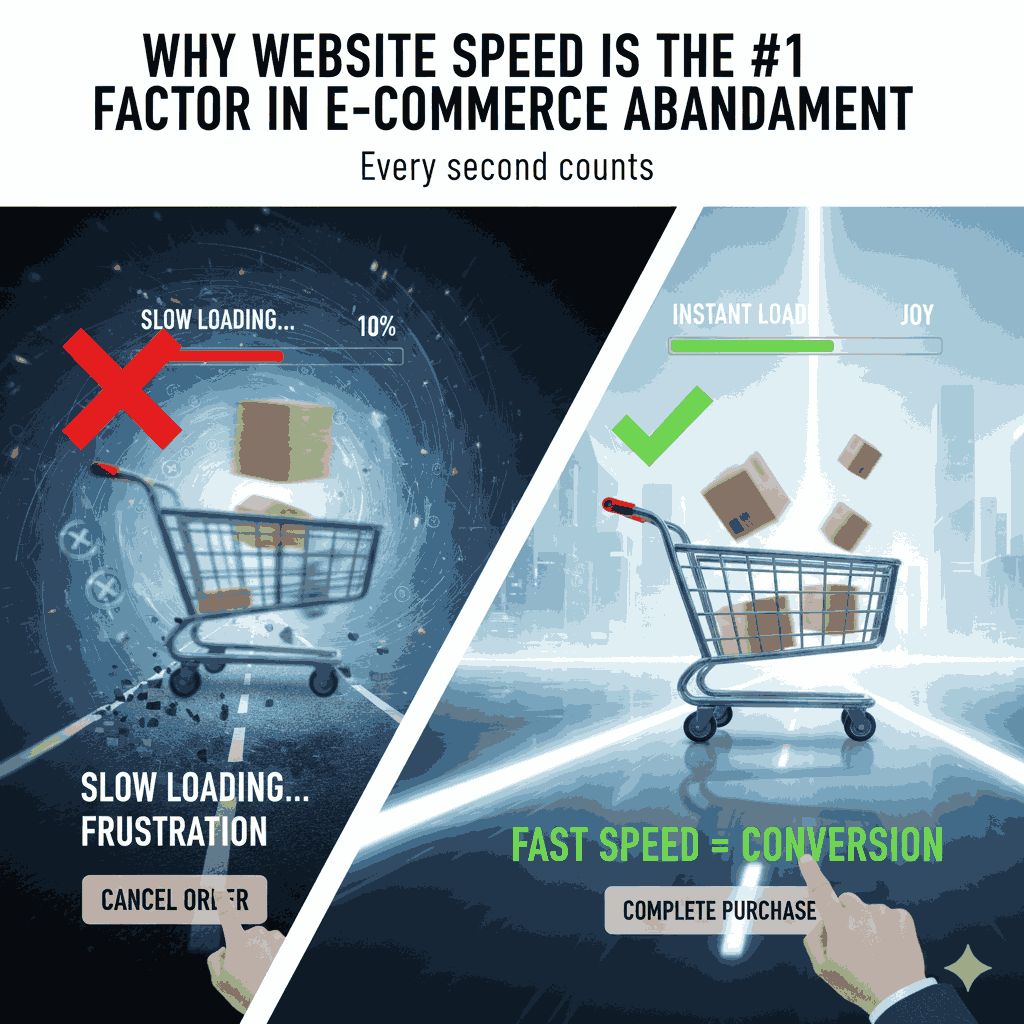
Key Takeaways:Website speed is crucial in preventing e-commerce abandonment.A slow-loading site can deter potential customers, impacting sales dramatically.American Tech Labs offers expert advice on optimizing web performance to enhance conversion rates. Why Website Speed is the #1 Factor in E-commerce Abandonment Introduction: The E-commerce Challenge of Abandonment In the competitive world of e-commerce, one of the leading causes of cart abandonment is slow website speed. As online consumers become increasingly impatient, you face a significant opportunity to improve user experience and boost sales through website optimization. *How can you ensure your site retains visitors and converts them into loyal customers?* This blog post explores the critical importance of website speed and actionable solutions to enhance your e-commerce performance. 1. The Impact of Speed on E-commerce Success Website speed significantly influences customer behavior. Here are key reasons why speed matters:– **First Impressions Count:** A fast-loading site creates a positive first impression, establishing trust.– **Enhanced User Experience:** Quick loading times lead to less frustration, keeping users engaged.– **Higher Conversion Rates:** Faster sites generally see increased purchases as users are less likely to abandon their carts. 2. Common Causes of Slow Website Performance Understanding what slows down your site can help you address these issues effectively. Common culprits include:– **Large Image Files:** Unoptimized images can significantly increase load times.– **Excessive Plugins:** Too many plugins can bog down website performance.– **Inadequate Hosting Solutions:** Shared hosting plans may not provide the speed needed for high traffic. 3. Strategies to Improve Website Speed Implementing the following strategies can dramatically enhance your website’s loading speed:– **Optimize Images:** Use compressed image formats and appropriate resolutions.– **Leverage Browser Caching:** Enable caching to reduce loading times for repeat visitors.– **Utilize a Content Delivery Network (CDN):** CDNs distribute content across multiple servers, speeding up access based on user location. 4. The Benefits of a Fast Website Investing in website speed optimization can yield substantial returns:– **Reduced Bounce Rates:** Visitors are less likely to leave a site that loads quickly.– **Improved SEO Rankings:** Search engines favor faster websites in their rankings.– **Enhanced User Satisfaction:** A smooth shopping experience fosters loyalty and repeat purchases. 5. Tools to Measure and Monitor Website Speed Various tools can help you evaluate and track your website’s performance:– **Google PageSpeed Insights:** Offers specific suggestions to enhance speed.– **GTmetrix:** Provides detailed reports on site performance and load times.– **Pingdom:** Monitors website speed from different locations, providing comprehensive insights. Key Considerations for E-commerce Success When evaluating your site’s performance, prioritize these factors:– **Mobile Responsiveness:** Ensure your site is optimized for mobile users, as many shoppers browse on their phones.– **Regular Performance Audits:** Conduct routine checks and optimizations for continuous improvement.– **User Feedback:** Pay attention to customer feedback regarding site performance to identify areas for enhancement. People Also Ask How much does website speed affect conversion rates? Studies show that a one-second delay in load time can result in a 7% reduction in conversions. What’s an acceptable loading time for an e-commerce site? Ideally, your e-commerce site should load in under three seconds for optimal performance. Can improving website speed impact SEO? Yes, faster websites rank better in search engines, meaning speed optimization is crucial for SEO strategy. Are there free tools to test my website’s speed? Yes, tools like Google PageSpeed Insights and GTmetrix provide free assessments of your website speed. How often should I check my website speed? Regularly, ideally every month, or after significant changes to your site’s design or content. Conclusion: Act Now to Enhance Your E-commerce Experience Website speed is a pivotal factor that can make or break your e-commerce performance. At American Tech Labs, we are dedicated to helping you optimize your web presence for maximum impact. Ready to reduce abandonment rates and increase your sales? Book a consultation with American Tech Labs today and take the first step towards an exceptional e-commerce experience.
Top 5 E-commerce Platforms for High-Volume Scaling.

Key Takeaways:Choosing the right e-commerce platform is vital for businesses looking to scale effectively.Investing in a robust platform can streamline operations, enhance customer experience, and drive growth.American Tech Labs provides expert guidance on selecting the best solutions tailored to your business needs. Top 5 E-commerce Platforms for High-Volume Scaling Introduction: The E-commerce Growth Challenge The e-commerce landscape is continuously evolving, and as businesses grow, their platform needs become more complex. Scaling your online store effectively presents unique challenges, particularly when it comes to managing high volumes of traffic and transactions. *How can you ensure your chosen platform not only accommodates growth but also enhances your operational efficiency?* This blog post dives into the top e-commerce platforms designed for businesses ready to scale. 1. Understanding the Need for Scalable E-commerce Solutions With the increasing demand for online shopping, having a robust e-commerce platform is essential. Here’s why scalability matters:– **Rapid Growth:** High traffic can overwhelm underprepared platforms, causing slow load times or crashes.– **Customer Experience:** A seamless, user-friendly interface can boost customer satisfaction and retention.– **Integration Capabilities:** Effective platforms can integrate with other business systems, facilitating smooth operations. 2. Shopify Plus: The Leader in Scalability Shopify Plus is a powerful choice for high-volume merchants. Key features include:– **Unlimited Bandwidth:** Handle peaks in traffic without downtimes.– **Advanced Reporting:** Gain insights into sales trends and customer behavior.– **Extensive App Ecosystem:** Leverage third-party apps for enhanced functionality. 3. BigCommerce: Flexibility and Performance BigCommerce offers a range of features tailored for rapid growth. Consider its benefits:– **Built-In Features:** Advanced tools for SEO, analytics, and conversion optimization.– **No Transaction Fees:** Maximize your revenue with zero transaction fees on all plans.– **Robust API:** Automated processes and seamless integrations with enterprise systems. 4. Magento Commerce: Customization and Control Magento Commerce stands out for businesses needing customization. Here’s why it’s ideal:– **Endless Customization Options:** Tailor your store to meet specific business needs.– **Powerful Inventory Management:** Easily manage a large array of products.– **Multi-Store Functionality:** Operate multiple stores from a single platform. 5. WooCommerce: The Flexible WordPress Solution For those already using WordPress, WooCommerce is a market leader. Advantages include:– **Ease of Integration:** Seamlessly integrates with existing WordPress sites.– **Affordable Plugins:** A wide range of plugins to boost functionality without breaking the bank.– **Strong Community Support:** Beneficial for troubleshooting and development assistance. Key Considerations When Choosing an E-commerce Platform When evaluating platforms, prioritize these factors:– **Performance Under Load:** Ensure the platform can handle spikes in traffic during sales or holidays.– **Scalability Features:** Look for built-in tools that facilitate growth, like marketing automation.– **Security Measures:** Choose platforms that prioritize user data protection and compliance. People Also Ask What factors should I consider when scaling my e-commerce business? Consider your target audience, technology stack, and analytics capabilities to guide your scalability planning. Is it better to use a hosted or self-hosted e-commerce platform? Hosted solutions often involve less maintenance, while self-hosted options offer greater customization and control. How can I ensure my e-commerce site can handle high traffic volumes? Select a platform known for stability during peak times and invest in CDN services for faster load speeds. What is the benefit of using a dedicated e-commerce platform? Dedicated platforms provide tailored tools and features specifically designed for online retail, improving user experience. How important is mobile optimization for scaling e-commerce? Mobile optimization is crucial as a significant portion of online shopping occurs on mobile devices, impacting sales directly. Conclusion: Take the Leap for Your E-commerce Success <pSelecting the right e-commerce platform is foundational for businesses aiming for high-volume scaling. American Tech Labs is here to assist you with tailored strategies and insights to find the best fit for your needs. Ready to elevate your online store? Book a consultation with American Tech Labs today and pave the way for your e-commerce success.
How to Secure Your WordPress Site from Emerging Cyber Threats

Key Takeaways:Protecting your WordPress site from cyber threats is essential for maintaining your online presence.Implementing robust security measures can prevent attacks and safeguard sensitive data.American Tech Labs can help you secure your WordPress site with tailored strategies and solutions. How to Secure Your WordPress Site from Emerging Cyber Threats Introduction: Understanding the Cybersecurity Challenge In today’s digital age, securing your WordPress site is more critical than ever. With a rising wave of cyber threats targeting vulnerable sites, the need for robust security measures has never been more apparent. *How can you protect your content and customer data from these emerging threats?* This blog post provides effective strategies to secure your WordPress site and mitigate risks. 1. The Importance of Cybersecurity for WordPress Sites WordPress is a powerful platform, but its popularity makes it a prime target for hackers. Consider the following:– **High Vulnerability:** Being the most used CMS means it attracts more cyber-attacks.– **Potential Loss:** A successful attack could lead to data breaches, loss of reputation, and financial implications.– **Regulatory Compliance:** Laws require you to protect user data, making security a legal obligation. 2. Implementing Strong Password Security Weak passwords create easy access points for cybercriminals. Here’s how to strengthen your password protection:– **Use Unique Passwords:** Ensure all accounts, especially admin users, have complex, unique passwords.– **Two-Factor Authentication:** Enable 2FA to add an extra layer of security.– **Password Managers:** Use a password manager to keep track of strong passwords and generate new ones. 3. Keeping WordPress and Plugins Updated Regular updates are essential for maintaining site security. Consider these actions:– **Schedule Automatic Updates:** Enable auto-updates for WordPress core files and plugins.– **Audit Plugins Regularly:** Remove any outdated or unused plugins to reduce vulnerabilities.– **Monitor Update Notifications:** Stay vigilant for plugin updates and security patches. 4. Utilizing Security Plugins Leverage the power of security plugins to enhance your site’s defenses:– **Firewall Protection:** Implement web application firewalls to block malicious traffic.– **Malware Scanners:** Use plugins that can regularly scan your site for vulnerabilities and malware.– **Login Lockdown:** Limit login attempts to thwart brute force attacks. 5. Regular Backups: Your Safety Net Having a backup plan is crucial for quick recovery. Follow these best practices:– **Frequent Backups:** Schedule daily or weekly backups depending on your content updates.– **Use Reliable Backup Solutions:** Opt for plugins or service providers that offer secure cloud storage options.– **Test Backup Recovery:** Regularly verify that your backup can be restored without issues. 6. Secure Your Hosting Environment Your site’s security greatly depends on your hosting provider. Evaluate the following:– **Choose a Secure Host:** Select a reputable host that prioritizes security with features like SSL, malware detection, and security patches.– **Regular Security Audits:** Ensure your hosting provider conducts routine security assessments.– **Utilize SSL Certificates:** Protect data transfer by implementing SSL to encrypt communications. 7. Educating Your Team Human error often plays a role in security breaches. Train your team on security best practices:– **Security Awareness Training:** Conduct regular training sessions on identifying phishing scams and social engineering attacks.– **Establish Guidelines:** Create clear policies for password management and data handling.– **Encourage Reporting:** Foster an environment where employees feel comfortable reporting suspicious activities. 8. Monitoring and Responding to Threats Staying proactive about threats can prevent future incidents:– **Use Monitoring Tools:** Implement solutions that keep an eye on website activity and potential intrusions.– **Conduct Security Audits:** Regularly perform security audits and penetration testing.– **Establish Response Plans:** Have an incident response strategy in place for swift action in case of breaches. People Also Ask What are common cyber threats facing WordPress sites? Common threats include brute force attacks, malware injections, and phishing attempts aimed at stealing data or compromising site functionality. How often should I update my WordPress site? Updates should be done immediately when new updates are released, particularly for security patches. Do I need a security plugin if I have a secure host? Yes, additional security plugins provide enhanced protection beyond what hosting companies typically offer. What is two-factor authentication (2FA)? 2FA is a security process that requires two different forms of identification before granting access, enhancing login security. Can I recover my site after a cyberattack? Yes, if you have regular backups, you can restore your site to a previous safe state, though prevention is always better. Conclusion: Take Action to Secure Your Site Securing your WordPress site from emerging cyber threats is essential for protecting your business and its reputation. American Tech Labs offers tailored security solutions to help you defend against these dangers. Ready to enhance your website’s security measures? Book a consultation with American Tech Labs today to take the first step in safeguarding your online presence.
Monolithic vs. Microservices Architecture: Which is Right for Your App?
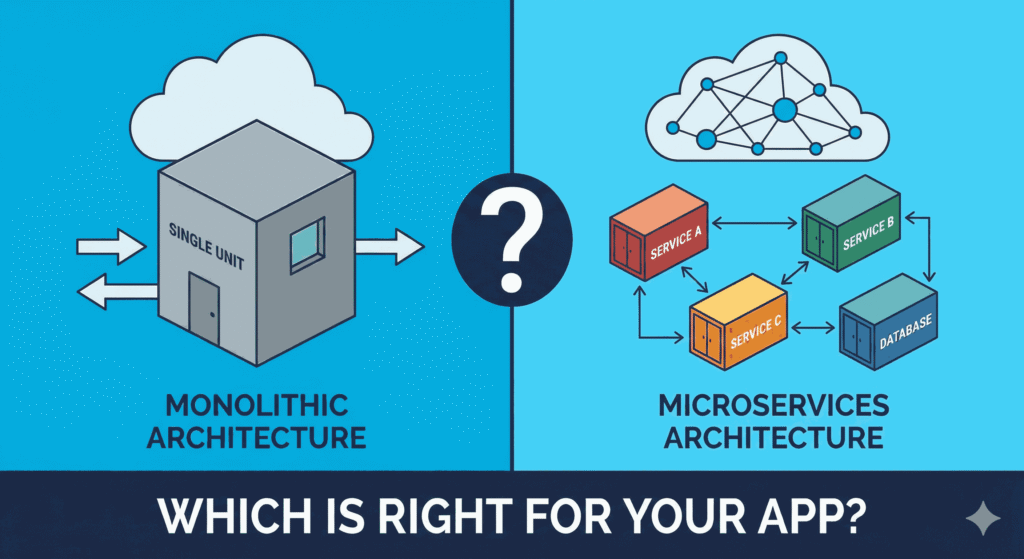
Key Takeaways:Understanding the differences between monolithic and microservices architecture is crucial for effective application development.Choosing the right architecture can enhance scalability and flexibility while optimizing performance.American Tech Labs can guide you in making informed decisions tailored to your unique business needs. Monolithic vs. Microservices Architecture: Which is Right for Your App? Introduction: Navigating the Architectural Dilemma In the rapidly evolving tech landscape, companies face a key challenge: how to effectively structure their applications for max performance and scalability. *Monolithic or microservices architecture—what’s the best fit?* This post tackles this critical question, offering insights on both architectures to help you make the right choice for your application needs. 1. Understanding Monolithic Architecture Monolithic architecture refers to a single unified unit where all components of an application operate as one. Here’s what to consider:– **Simplicity:** Easier to develop, test, and deploy as one cohesive unit.– **Performance:** Generally boasts faster execution since components are dependent and run in the same process.– **Maintenance Challenges:** As an application evolves, a large monolithic codebase can become unwieldy and challenging to manage. 2. Exploring Microservices Architecture Microservices architecture structures an application as a collection of small, independent services. Benefits include:– **Scalability:** Easily scale individual components based on specific demands.– **Resilience:** Failure in one microservice does not affect the entire system, enhancing overall application stability.– **Technology Diversity:** Freedom to use different tech stacks for different services, optimizing performance and capabilities. 3. When to Choose Monolithic Architecture Monolithic architecture can be advantageous in certain scenarios:– **Startups or Smaller Applications:** Ideal for small teams developing limited-scale projects.– **Faster Time to Market:** A simplified deployment process can accelerate getting your product to market.– **Easier Debugging:** Issues can be resolved more quickly as everything is contained in one code base. 4. When to Opt for Microservices Architecture Microservices architecture shines in more complex scenarios:– **Large Scale Applications:** Suitable for enterprises that require scalability, reliability, and flexibility.– **Rapid Development Cycles:** Facilitate agile methodologies by allowing teams to work on separate services concurrently.– **Continuous Deployment:** Supports frequent updates and innovations in a dynamic market. 5. Key Considerations for Architecture Choice Before making your decision, consider the following:– **Team Size and Expertise:** Larger and more specialized teams are more suited for microservices.– **Project Complexity:** Analyze the scope and long-term vision of your application.– **Funding and Resources:** Microservices may require more upfront investment in infrastructure and management. 6. Common Pitfalls to Avoid Both architectures come with challenges. Here are some traps to steer clear of:– **Ignoring Scalability Needs:** Choose an architecture that aligns with your growth forecast.– **Underestimating Maintenance:** Assure you have the resources to maintain your architecture as it grows.– **Overlooking Security:** Each microservice introduces additional security threats that need to be addressed. 7. Harnessing Expert Guidance for Optimal Decisions Making the right architectural choice is crucial for your application’s success. Consider engaging with experienced professionals who can:– Provide tailored consultation based on your specific business needs.– Help conduct a thorough analysis of your current system and future requirements.– Guide you in implementing best practices for your chosen architecture. People Also Ask What is the main difference between monolithic and microservices architecture? Monolithic architecture integrates all components into a single unit, while microservices architecture breaks down applications into smaller, independent services. What are the advantages of using microservices? Microservices promote scalability, resilience, and allow diverse technology stacks, making them suitable for complex applications. Can a monolithic application be converted to microservices? Yes, although it requires careful planning and execution to ensure a smooth transition and maintain application functionality. Which architecture is more cost-effective? Monolithic architecture may be more cost-effective for small projects, but microservices can yield greater long-term value for larger, scalable applications. How do I decide on the right architecture for my app? Assess your project’s complexity, team size, and your long-term growth objectives to determine the most suitable architecture. Conclusion: Make an Informed Choice for Your Application Choosing between monolithic and microservices architecture is a pivotal decision that can significantly impact your application’s performance, scalability, and maintenance. American Tech Labs is here to offer expert insight and guidance tailored to your specific needs. Ready to take the next step? Book a consultation with American Tech Labs today and let us assist you in navigating your architectural decisions effectively.
The Benefits of Outsourcing Software Development to American Tech Labs.

Key Takeaways:Outsourcing software development can significantly reduce costs while enhancing project quality.Partnering with American Tech Labs provides access to specialized skills and advanced technology.Adopting an agile methodology leads to faster project delivery and improved adaptability. The Advantages of Outsourcing Software Development to American Tech Labs Introduction: Transforming Your Development Approach In today’s fast-paced technological landscape, businesses often struggle with the challenges of software development—*how can they maintain quality while efficiently using resources?* The solution lies in outsourcing software development. American Tech Labs offers an opportunity to optimize costs, access top-tier talent, and leverage cutting-edge technology. This blog post delves into the extensive benefits of outsourcing, equipping your business with the insights needed to make informed decisions. 1. Cost Efficiency: Maximize Your Budget One of the primary reasons businesses outsource is to reduce costs. By partnering with American Tech Labs, companies can take advantage of lower operational expenses without compromising quality. Consider the following:– Decrease overhead costs by outsourcing to countries with lower living expenses.– Focus resources on your core business functions while leaving software development to the experts. 2. Access to Specialized Skills: Enhance Your Team’s Capabilities Outsourcing enables businesses to tap into a global pool of specialists with advanced skills that may not be available in-house. Benefits include:– Access to a diverse team experienced in multiple technologies.– Adaptability to market changes by leveraging skills relevant to the latest trends, such as AI and IoT. 3. Accelerated Time to Market: Stay Ahead of Competitors Incorporating an agile approach in software development leads to quicker project delivery. American Tech Labs focuses on:– Iterative development that allows for rapid adjustments based on client feedback.– Streamlined processes that help you launch products faster. 4. Quality Assurance: Maintain High Standards Quality is crucial in software development. By outsourcing, you can enforce rigorous quality assurance processes. Key strategies include:– Regular code reviews and performance testing by dedicated QA specialists.– Utilizing best practices and tools that adhere to industry standards. 5. Enhanced Focus on Core Business: Drive Strategic Growth When you outsource your development tasks, your team can concentrate on other critical areas of business growth. Consider:– Redirecting internal resources towards innovative projects and strategic initiatives.– Facilitating better alignment between business objectives and development efforts. 6. Risk Mitigation: Safeguard Your Investment Outsourcing can help you manage and mitigate risks effectively. Key aspects include:– Partnering with experienced teams who have a proven track record of successful software projects.– Implementing secure coding practices that protect your intellectual property. 7. Flexibility and Scalability: Adapt to Market Needs The ability to scale development efforts based on project demands is a considerable advantage. With American Tech Labs, businesses can:– Quickly increase or decrease the size of their development team based on project scope.– Adapt to changing market conditions without incurring heavy costs. Harnessing User Feedback for Continuous Improvement To truly benefit from outsourcing, it’s essential to foster a feedback culture. Gathering user insights through:– Regular check-ins with stakeholders– Evaluation of user experiences can drive continuous improvement and ensure alignment with business goals. Actionable Tips for Outsourcing Success Clear Communication: Establish clear communication channels to facilitate collaboration and transparency throughout the project. Set Clear Goals: Define project objectives and expected outcomes to ensure alignment between all parties involved. Leverage Technology: Use project management tools and collaboration software to keep your team on track. People Also Ask What are the benefits of outsourcing software development? Outsourcing software development helps reduce costs, access specialized skills, accelerate time to market, and enhance focus on core business functions. How does outsourcing improve software quality? By partnering with experts, businesses can implement rigorous QA processes, ensuring higher quality end products through dedicated attention and specialized knowledge. Can outsourcing be cost-effective for small businesses? Yes, outsourcing enables small businesses to leverage high-quality services while cutting down on operational costs significantly. How do I choose the right outsourcing partner? Look for a partner with proven expertise, positive client testimonials, and experience in your industry to ensure a successful collaboration. What is the role of technology in successful outsourcing? Leveraging technology aids in communication, project management, and collaboration, which are essential for successful outsourcing relationships. Conclusion: Elevate Your Software Development Today Outsourcing software development to American Tech Labs can transform your business by enhancing efficiency, quality, and adaptability. By embracing this approach, you can remain competitive in an ever-evolving market. Ready to explore the benefits for your organization? Book a consultation with American Tech Labs today and discover how we can assist you in achieving your development goals.
7 UX/UI Design Trends That Will Dominate the Next Decade

Key Takeaways:Understanding emerging UX/UI design trends is essential for staying competitive.Implementing these trends can enhance user engagement and satisfaction.Prioritize user feedback to ensure designs meet real needs. 7 UX/UI Design Trends That Will Dominate the Next Decade Introduction: The Future of UX/UI Design As technology continues to evolve, so do user expectations. In a rapidly changing digital landscape, businesses face a pressing challenge: How can they create user experiences that not only engage but also retain users long-term? The answer lies in embracing cutting-edge UX/UI design trends. This blog post will explore seven key trends that promise to shape the digital experience over the next decade, providing actionable insights for designers and businesses alike. 1. Minimalism: Less is More The minimalist approach remains a favorite among designers, emphasizing functionality and clarity. This trend focuses on essential elements and eliminates distractions. Consider the following:– Use ample white space to draw attention to key areas.– Opt for simple typography and clean layouts. 2. Voice User Interface (VUI) With the rise of smart speakers and voice-activated devices, integrating VUI into your designs will be critical. VUI allows users to interact through voice commands, creating a hands-free experience that enhances accessibility. Key considerations include:– Designing for natural language processing.– Ensuring responses are contextually relevant. 3. Dark Mode Dark mode is gaining traction for its aesthetic appeal and reduced eye strain. Implementing this feature can enhance user satisfaction and extend session durations. Tips for optimizing dark mode include:– Use color contrasts carefully to maintain readability.– Provide user customization options for color schemes. 4. Micro-Interactions Small, subtle animations can greatly enhance user engagement. These micro-interactions provide feedback on user actions, making interfaces feel more intuitive. Examples include:– Button animations when hovered over or clicked.– Progress indicators during loading sequences. 5. Augmented Reality (AR) AR is transforming user experiences by allowing users to visualize products in their environment. Brands can leverage this technology for enhanced storytelling and immersive experiences. Consider:– Integrating AR features for product previews.– Offering gamified experiences that engage users. 6. Personalization Users now expect personalized experiences tailored to their preferences and behaviors. Implementing algorithms that learn from user interactions creates a more relevant and engaging environment. Strategies include:– Customizing content and product recommendations.– Using user data responsibly while ensuring privacy. 7. Sustainable Design As sustainability becomes paramount, eco-friendly design practices are gaining popularity. Designers can prioritize resources, offering solutions that appeal to the environmentally conscious consumer. Elements to implement include:– Eco-friendly color palettes and materials.– Transparent messaging about sustainability efforts. Why User Feedback is Essential To effectively implement these trends, gathering user feedback is vital. Conducting user testing, surveys, and utilizing analytics can provide insights into user preferences and pain points. This feedback loop will allow you to refine designs and ensure alignment with user needs. Actionable Tips for Designers Stay Informed: Regularly follow industry news and research to keep abreast of emerging trends and user expectations. Prototyping: Create prototypes to test ideas quickly before full implementation. Usability Testing: Conduct frequent usability tests to identify friction points in your design. People Also Ask What are the top UX design trends for the next decade? Key trends include minimalism, voice user interfaces, dark mode, micro-interactions, augmented reality, personalization, and sustainable design. How can I enhance the user experience on my site? Focus on clear navigation, intuitive design, and incorporating user feedback into your development process. What is the importance of micro-interactions in design? Micro-interactions provide feedback, making interfaces feel more responsive and improving overall user engagement. How does personalization improve user engagement? Personalization creates a more relevant experience by tailoring content and features to individual user preferences. Why is sustainable design gaining popularity? Sustainable design appeals to environmentally conscious consumers and reflects a brand’s commitment to responsible practices. Conclusion: Embrace the Future of Design By adopting these UX/UI design trends, businesses can create more engaging and user-centric experiences that stand the test of time. Staying ahead in the digital landscape requires consistent innovation and a commitment to understanding user needs. Ready to elevate your design strategy? Book a consultation with American Tech Labs today and discover how our expert team can assist you in implementing the latest design trends effectively.
How to Hire a Software Development Team: A Founder’s Guide.

Key Takeaways:Hiring the right software development team can significantly impact your project’s success.Understanding your needs and conducting thorough interviews are crucial steps in the hiring process.Invest in establishing clear communication channels to ensure a collaborative partnership. How to Hire a Software Development Team: A Founder’s Guide Introduction: The Challenge of Finding the Right Team In today’s competitive tech landscape, a common dilemma for founders is: How do I hire a software development team that aligns with my vision and project goals? The answer lies in a strategic hiring approach that combines clarity about your project’s needs with a thorough vetting process. This guide provides actionable insights to help you hire a software development team that meets your expectations and drives your project to success. Understanding Your Project Requirements 1. Define Your Goals Clearly outline what you want to achieve with your software project. This includes understanding the target audience, key functionalities, and preferred technology stack. 2. Set a Budget Establish a budget that considers not just development costs but also ongoing maintenance and potential scaling needs. This will help in evaluating candidates effectively. 3. Choose the Right Type of Team Decide whether you need a full-fledged team, freelancers, or a hybrid approach. This decision should be based on the scope and duration of your project. Finding Qualified Candidates 1. Use Multiple Hiring Platforms Leverage platforms like LinkedIn, GitHub, and specialized job boards to widen your search. Each platform offers unique advantages in terms of visibility and candidate reach. 2. Evaluate Portfolios and Case Studies Review previous work to assess technical proficiency and design sensibility. Look for projects similar to yours to gauge their experience. 3. Seek Recommendations Reach out to your network or industry groups for referrals. Personal recommendations often yield reliable candidates who have proven their capabilities. Conducting Effective Interviews 1. Technical Assessments Incorporate coding tests or technical interviews to evaluate candidate skills. This will help you ascertain their problem-solving abilities and familiarity with relevant technologies. 2. Behavioral Questions Discuss past projects and experiences to understand how candidates interact within a team and handle challenges. This will give you insight into their work style and culture fit. 3. Discuss Project Management Methodology Ensure candidates are comfortable with your preferred project management methods, whether Agile, Scrum, or Waterfall, to facilitate seamless collaboration. Building Strong Communication Channels 1. Establish Clear Expectations Communicate your goals, timelines, and deliverables upfront. This clarity will help establish a mutual understanding and accountability. 2. Use Collaboration Tools Implement project management and communication tools like Slack, Trello, or Asana to maintain ongoing dialogue and track progress efficiently. 3. Schedule Regular Check-Ins Routine meetings can help address issues promptly and ensure that the project stays on track. Encourage open feedback to foster a collaborative environment. Key Considerations for Long-Term Success 1. Focus on Compatibility Select a team that not only possesses the necessary skills but also aligns with your company’s culture and values. 2. Plan for Scalability Consider whether your development team can adapt to future changes and scale accordingly. This foresight can save time and resources down the line. 3. Prioritize Ongoing Learning Encourage team members to stay updated on industry trends and technologies. A team that embraces continuous learning is more likely to innovate and excel. Actionable Tips for Hiring Success Be Transparent: Share your challenges and expectations to build trust and encourage open dialogue. Review Contracts Carefully: Ensure that all agreements detail deliverables, timelines, and payment structures to avoid future misunderstandings. Cultivate a Positive Work Environment: Promote a culture of respect and collaboration to enhance productivity and morale within your team. People Also Ask What should I look for when hiring a software development team? Focus on technical expertise, relevant experience, and cultural fit within your organization. How do I determine if a team is qualified? Review their portfolios, conduct technical assessments, and gather feedback from past clients. What is the average cost of hiring a software development team? The cost can vary widely based on location, expertise, and project complexity; it’s essential to establish a budget early on. How long does it usually take to hire a software development team? Hiring can take anywhere from a few weeks to several months, depending on the project scope and hiring process complexity. Why is communication important in a development team? Effective communication fosters collaboration, mitigates misunderstandings, and enhances project success. Conclusion: Your Path to a Successful Collaboration With the right approach to hiring a software development team, you can elevate your project’s quality and efficiency. By clearly defining your needs, vetting candidates thoroughly, and establishing strong communication, you create a foundation for success. If you’re ready to take the next step, book a consultation with American Tech Labs. Our expert team is here to help you navigate the hiring process and find the ideal software development partner for your vision.
Why Progressive Web Apps (PWAs) are the Future of Mobile Browsing.
Key Takeaways:Progressive Web Apps (PWAs) provide a seamless user experience across devices and platforms.They combine the best of web and mobile applications, allowing for offline functionality and faster loading times.Investing in PWAs can lead to increased user engagement and retention rates. Why Progressive Web Apps (PWAs) are the Future of Mobile Browsing Introduction: A New Era in App Development As the landscape of mobile browsing continues to evolve, many businesses are grappling with a significant question: How can I enhance user experience while maximizing performance? The answer lies in Progressive Web Apps (PWAs). Combining the advantages of both web and mobile applications, PWAs are revolutionizing the way users interact with content. This guide will delve deeply into PWAs, shedding light on their advantages and why they represent the future of mobile browsing. The Advantages of Progressive Web Apps 1. Enhanced Performance PWAs offer rapid loading speeds, even in low-network conditions, thanks to their ability to cache key resources. This leads to an optimal user experience, which is crucial for retaining visitors. 2. Offline Functionality One of the standout features of PWAs is their offline capability. Users can engage with your content without an internet connection, ensuring accessibility and convenience. 3. Platform Independence PWAs run on any device with a web browser, freeing developers from the constraints of building separate applications for different platforms. This not only saves time but also reduces development costs. Why PWAs Are Essential for Modern Businesses 1. Improved Engagement Research shows that PWAs can significantly boost engagement levels due to their app-like experience. Features like push notifications encourage users to return and interact with your content. 2. Better Conversion Rates With faster loading times and offline access, PWAs can lead to increased conversion rates. Users are more likely to complete purchases and sign-ups when faced with minimal friction. 3. SEO Benefits PWAs improve SEO rankings through faster loading times and mobile optimization, making it easier for users to discover your site. Key Considerations for Implementing PWAs 1. Assess Your Audience Understanding your audience’s needs and behaviors will allow you to tailor your PWA features effectively. Consider the devices and connections they typically use. 2. Choose the Right Framework Selecting the appropriate tools and frameworks for your PWA can maximize its performance. Popular frameworks include Angular, React, and Vue.js, each offering unique strengths. 3. Continuous Updates and Maintenance Regular updates are essential for keeping your PWA in line with technological advancements and user expectations. Invest in ongoing maintenance to ensure optimal performance. Actionable Tips for a Successful PWA Journey Prototype Early: Develop early versions of your PWA to gather user feedback and refine features based on real-world usage. Measure Performance: Utilize analytics tools to monitor user interactions and identify areas for improvement. Stay Updated: Follow industry trends and technological advances to enhance your PWA’s features and maintain competitiveness. People Also Ask What are the main benefits of PWAs? PWAs offer enhanced performance, offline capabilities, and improved user engagement. Can PWAs work on any device? Yes, PWAs are compatible with any device that has a web browser, making them highly versatile. Do PWAs require an app store? No, PWAs do not need to be published in app stores, allowing users to access them directly from their browsers. How are PWAs better than traditional web apps? PWAs provide a more app-like experience with offline access, push notifications, and faster load times. Can PWAs improve SEO? Yes, PWAs can enhance SEO through increased loading speeds and mobile optimization. Conclusion: Embrace the PWA Advantage In today’s fast-paced digital world, Progressive Web Apps represent a powerful solution for businesses looking to elevate their mobile browsing experience. By adopting PWAs, companies can achieve greater user engagement, improved conversion rates, and a competitive edge. If you’re ready to transition to a more dynamic and effective web presence, book a consultation with American Tech Labs today. Our team of experts is dedicated to guiding you through the implementation of PWAs tailored to your unique needs.